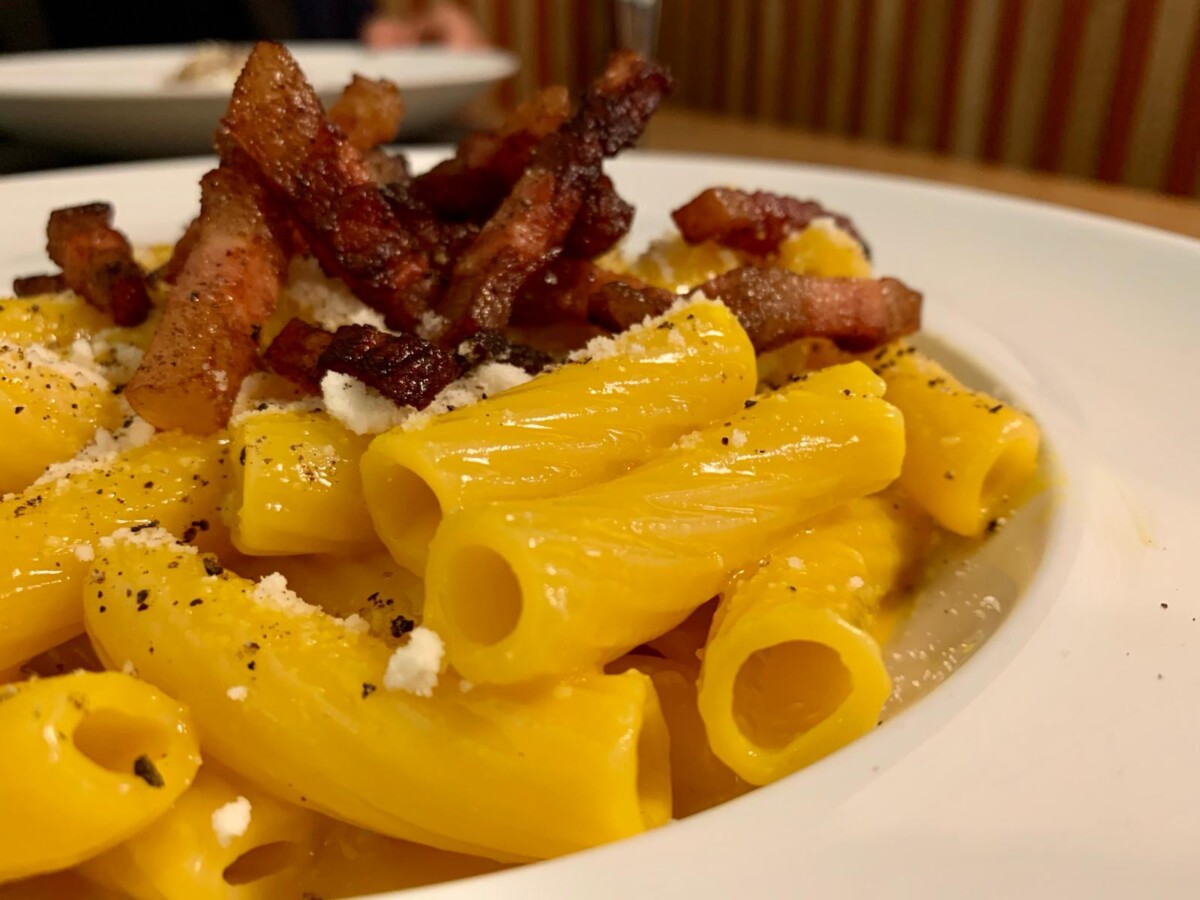
Original Carbonara Uncovered: A Culinary Time Capsule
When you hear "Carbonara," a classic image likely springs to mind: perfectly al dente spaghetti coated in a rich, creamy sauce made from egg yolks, Pecorino Romano, guanciale, and a generous crack of black pepper. It's a Roman icon, a culinary masterpiece that has captivated palates worldwide. But what if we told you that the *very first* documented carbonara recipe tells a slightly different, equally fascinating story? Prepare to challenge your assumptions as we delve into the genuine "Carbonara Recipe Original" – a historical gem uncovered far from Rome, in the bustling kitchens of Italian immigrants in Chicago.
This earliest documented version, recorded by an American food critic who learned it directly from its Italian creators, diverges in subtle yet significant ways from the beloved Roman standard. Forget dried pasta and emulsified sauces; this origin story features fresh pasta, a different approach to cheese and meat, and a surprisingly direct method for cooking the eggs. It's an exploration of an authentic taste that predates many of our modern interpretations, offering a unique glimpse into the dish's humble beginnings.
The Untamed Origins: A Carbonara Story from Chicago
The tale of the *first* documented Carbonara is an intriguing one, highlighting the dynamic nature of culinary traditions as they travel and evolve. Rather than emerging from the cobblestone streets of Rome, this initial recipe was chronicled in America, a testament to the Italian diaspora's influence on global cuisine. An American food critic, keen to capture authentic Italian flavors, discovered this particular "Carbonara Recipe Original" from two Italian immigrants in Chicago. This discovery offers a crucial historical perspective, revealing a version of the dish that predates the widely accepted Roman classic.
The core differences between this early documented Carbonara and its more famous descendant are stark, even if they seem minor at first glance. Key among them are the use of
fresh taglierini pasta, a specific choice of
pancetta and
Parmigiano Reggiano cheese, and, perhaps most notably, a method of directly
cooking the eggs with the pasta over heat. These variations aren't just stylistic; they fundamentally alter the texture, flavor profile, and preparation technique of the dish. While many traditionalists lament the inclusion of cream in modern carbonara, this historical recipe offers an even more profound departure from what most consider "authentic," challenging our perceptions of what truly constitutes the "original." It serves as a reminder that culinary history is often more complex and surprising than we imagine.
Unpacking the Ingredients of the First Carbonara
Crafting this historical Carbonara means sourcing ingredients that honor its early roots. With only a few components, the quality of each is paramount, allowing their individual flavors to shine through in a truly unique way.
*
Fresh Taglierini Pasta
Unlike the dried spaghetti typically associated with Roman Carbonara, this "Carbonara Recipe Original" calls for
fresh taglierini pasta. Taglierini, a slightly thinner cut than tagliatelle, cooks incredibly fast – often in just 2-3 minutes. The fresh pasta provides a delicate, tender texture that readily absorbs the sauce, creating a harmonious and unified dish. If you're making your own pasta, aim for a delicate, thin ribbon, as the recipe suggests cutting it "a little thinner than tagliatelle" for the best results. The quick cooking time is also a significant factor in the overall speed of this recipe.
*
Chopped Pancetta
While the modern Roman Carbonara often champions guanciale (cured pork cheek) for its rich, distinct flavor and texture, this original recipe specifies
chopped pancetta. Pancetta, Italian cured pork belly, offers a savory, slightly salty counterpoint to the richness of the eggs and cheese. It renders beautifully, providing a flavorful fat that forms the base of the sauce. Emphasize quality here; look for pancetta with a good balance of meat and fat, ideally from an Italian deli, to ensure the best flavor.
*
Parmigiano Reggiano Cheese
The recipe explicitly calls for
Parmigiano Reggiano cheese, grated fresh. This is a crucial distinction. As the referenced "Spaghetti Carbonara Original Recipe" also highlights, genuine Parmigiano Reggiano is a staple of quality Italian cooking. Avoid pre-grated cheeses, which often contain anti-caking agents and lack the vibrant, nutty flavor of a freshly grated block. Investing in a high-quality block of Parmigiano Reggiano is always worth it, not just for Carbonara but for countless other dishes. Its robust, umami-rich profile is essential for balancing the richness of the eggs and pancetta.
*
Eggs
Perhaps the most significant deviation from modern carbonara, this recipe uses
whole eggs – two for two servings. The method involves cooking them directly in the pan with the pasta and pancetta, resulting in a thickened, custard-like coating rather than a delicate emulsion. This technique completely transforms the texture of the sauce, offering a different but equally delicious experience.
*
Extra Virgin Olive Oil & Salt
Extra virgin olive oil provides the initial medium for crisping the pancetta and contributes a fruity, peppery note to the finished dish. As for
salt, it's used generously in the pasta water, a foundational principle in all Italian pasta dishes. The adage "as salty as the ocean" is a good guideline, though you can slightly reduce it knowing that the pancetta and Parmigiano Reggiano also contribute significant salinity.
Crafting the Original: A Step-by-Step Carbonara Recipe
Embracing this "Carbonara Recipe Original" means stepping back in time to a simpler, yet profoundly flavorful, method. The preparation is surprisingly quick, making it an ideal choice for a weeknight meal when you crave something truly special.
**Yields:** 2 servings
**Prep time:** 5 minutes
**Cook time:** 10 minutes
**Ingredients:**
* 3 tablespoons extra virgin olive oil
* 2 ounces (55 grams) chopped pancetta
* 2 large eggs
* ½ cup (55 grams) grated Parmigiano Reggiano cheese
* Salt, to taste
* 2 servings fresh taglierini pasta (cut thinner than tagliatelle)
*
Optional: Freshly ground black pepper, for serving
**Instructions:**
1. **Prepare Your Mise en Place:** Before you begin, have all your ingredients measured and ready. This recipe moves quickly! Whisk the two eggs and the grated Parmigiano Reggiano together in a bowl and set aside. Ensure your fresh pasta is nearby.
2. **Boil the Water and Sauté the Pancetta:**
* Place a large pot of water on to boil. Once it reaches a rolling boil, salt it generously until it tastes noticeably briny.
* While the water heats, add the extra virgin olive oil and chopped pancetta to a skillet over medium heat. Sauté the pancetta, stirring occasionally, until it is lightly browned and crispy, rendering out its fat. This usually takes about 5-7 minutes.
* Carefully remove the browned pancetta using a slotted spoon and transfer it to a clean skillet. Alternatively, if you prefer to use the same pan, thoroughly drain most of the rendered fat, leaving just a tablespoon or two behind for flavor. The crisp pancetta pieces are key to texture.
3. **Cook the Fresh Pasta:**
* Once the water is boiling and well-salted, add your fresh taglierini pasta. Stir gently to prevent sticking.
* Cook for only 2 to 3 minutes, or until the pasta is perfectly "al dente" to your liking. Fresh pasta cooks much faster than dried!
4. **Combine and Cook the Eggs:**
* Using tongs, swiftly transfer the cooked fresh pasta directly into the skillet with the cooked pancetta (or the pan with the reserved fat if using the same one). A small amount of pasta water clinging to the pasta is beneficial.
* Immediately pour the whisked egg and cheese mixture over the hot pasta and pancetta.
* Return the skillet to medium heat and stir vigorously and continuously with tongs or a wooden spoon. The goal is to cook the eggs until they thicken and coat the pasta, forming a luxurious, custard-like sauce, without scrambling them. This step requires constant motion and vigilance and will only take about 1-2 minutes. The residual heat from the pasta and pan, combined with the gentle heat, will cook the eggs just right.
5. **Serve Immediately:** As soon as the eggs have thickened and created a cohesive sauce, remove from heat. Serve your Original Carbonara immediately, garnished with an optional sprinkle of extra Parmigiano Reggiano and freshly ground black pepper.
Buon appetito!
Beyond the First: The Evolution of Carbonara (and Why Cream is a No-Go)
While the Chicago-born "Carbonara Recipe Original" offers a fascinating historical perspective with its fresh pasta and cooked eggs, it's important to acknowledge its more famous cousin: the traditional Roman Carbonara. This version, steeped in Roman tradition, relies on dried spaghetti (or rigatoni), guanciale (pork jowl, prized for its unique flavor and rendering capabilities), Pecorino Romano cheese, and a sauce emulsified off the heat with egg yolks (or a mix of whole eggs and yolks) and pasta water, ensuring a silky, uncooked coating.
The Roman approach, which you can master by exploring
Authentic Roman Carbonara: Ditch the Cream & Master It, achieves its signature creaminess through precise technique and quality ingredients, eschewing any direct heat on the eggs after mixing. This stands in contrast to our Chicago original, where the eggs are intentionally cooked in the pan, creating a different but equally compelling texture. Both recipes demonstrate the adaptability and enduring appeal of the core Carbonara concept.
However, one absolute rule transcends both interpretations: **never add cream.** This is a non-negotiable for any "Carbonara Recipe Original" or traditional variant. Cream dilutes the intense flavors of the cheese, eggs, and cured pork, fundamentally altering the dish's character and turning it into something entirely different. True Carbonara derives its richness and "creaminess" from the luscious emulsification of egg, cheese, and rendered fat, not from dairy cream. For a deeper dive into avoiding common pitfalls and mastering the genuine article, check out
Mastering Carbonara: Guanciale, Parmigiano, and No Mistakes. Understanding the role of each ingredient and the proper technique is key to appreciating the profound simplicity and flavor of this iconic Italian dish, in all its fascinating forms.
Conclusion: A Taste of History and Tradition
Uncovering the "Carbonara Recipe Original" from its unexpected Chicago origins offers a captivating journey through culinary history. This historically documented version, with its fresh taglierini and direct cooking of the eggs, provides a unique and equally delicious perspective on a dish we thought we knew. It challenges our preconceived notions of authenticity, reminding us that culinary traditions are dynamic and evolve over time and across cultures.
Whether you choose to recreate this fascinating historical rendition or master the more widely known traditional Roman Carbonara, the underlying principles remain the same: an unwavering commitment to high-quality ingredients and a deep respect for simple, yet impactful, techniques. Both offer a profound taste experience that celebrates the ingenuity of Italian cooking. We encourage you to try this rediscovered "Carbonara Recipe Original" and compare it to the Roman classic. You might just find a new favorite, or at the very least, gain a deeper appreciation for the rich and varied story of one of the world's most beloved pasta dishes. Buon appetito!